DanielleRiggio

Danielle Riggio Blog
 RSS Feed
Subscribe and receive email notifications of new blog posts.
RSS Feed
- 2026 | 28 Posts
- 2025 | 48 Posts
- 2024 | 47 Posts
- 2023 | 48 Posts
- 2022 | 48 Posts
- 2021 | 26 Posts
- 2020 | 53 Posts
- 2019 | 55 Posts
- 2018 | 27 Posts
Agent Promotion | 1 Posts
Agent Spotlight | 1 Posts
Awards | 1 Posts
Buy a Home | 1 Posts
Laffey Knows | 353 Posts
Laffey Real Estate | 1 Posts
Outside the Box | 22 Posts
July
28
28
Fixing the Flow: Visualizing the Possibilities
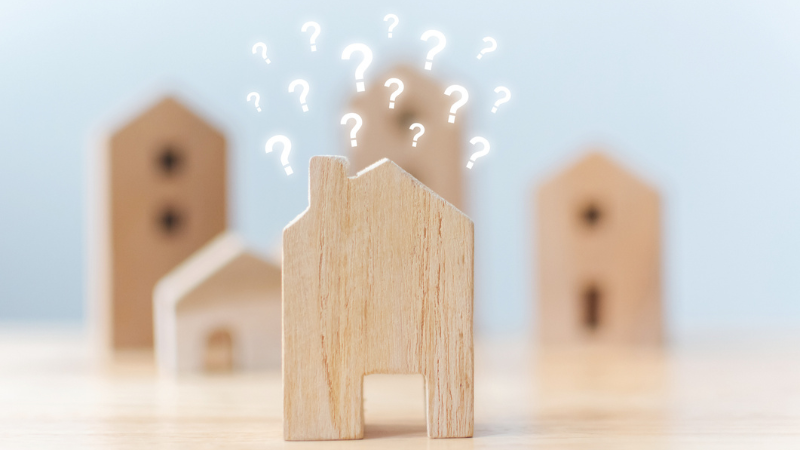
When you see a house with an awkward layout or tricky traffic patterns, you might not notice its real value and skip your ideal property. Our REALTORS® are experts at helping buyers look past current staging to envision the transformed spaces that could become their dream home with smart changes and well-planned design upgrades.
- Understanding Traffic Patterns and Daily Movement
Your everyday habits should align with your home's layout, allowing for seamless transitions between areas that support your lifestyle needs. Observe how you navigate from room to room during regular activities, such as cooking meals, hosting friends, or keeping track of family plans, and consider whether tight hallways cause congestion or if doorways align to create clear views. Review possible morning and night routines to identify areas that may cause frustration and affect your daily life. Notice if the kitchen links well to the eating spaces, if the bedrooms stay private from the main living areas, and if storage spots match where you use things. This way, you can make sure your home works well for how you live. - Spotting Walls That Can Change Spaces
Many flow issues arise from walls that divide spaces without good reason, resulting in choppy layouts that feel cramped and disjointed. Learn to identify load-bearing and non-load-bearing walls, understanding which barriers you might remove to create more open and functional floor plans. Talk to contractors during your review to understand what's possible and how much it might cost. Think about how removing certain walls could improve sight lines, spread natural light better, or let you arrange furniture in more ways. Picture how opening a kitchen to a dining room next door could make entertaining easier, or how joining smaller bedrooms could give you a primary suite that works better for you. - Getting More Natural Light and Connecting Spaces Visually
Bad flow often goes hand in hand with poor natural light and limited sight lines between areas. Changes could help light reach more parts of the home, making rooms feel bigger and more connected. Consider options such as enlarging current windows, installing skylights, or adding interior windows between rooms to capture light from brighter areas. Also, look at how different floor materials can create visual flow or clear transitions between spaces. Using the same flooring throughout the main living areas can make a home feel more unified. Changing materials in strategic spots can mark specific zones without needing actual walls. - Rethinking Room Purposes and Versatile Areas
Question standard room labels by thinking about other uses that might better fit your lifestyle needs. A formal dining room could work better as a home office, library, or bigger living space, depending on what matters most to you. Look at spaces to see if they can serve many purposes through adaptable design ideas. Built-in storage can eliminate the need for large furniture, allowing rooms to change uses throughout the day. Consider how movable walls or strategically placed furniture can create privacy when needed, while maintaining an open feel for other activities. This can help you make the most of your living spaces. - Planning Renovation Priorities and Budget Considerations
To improve flow, you need to plan. This means balancing what you need now with your future goals and money limits. Focus on changes that will make the biggest difference in your daily life. Think about which updates you can do in stages over time. Research local permits and building regulations that may impact your renovation plans. Make sure your ideas adhere to these guidelines. Consider how the timing of renovations aligns with your move-in date to minimize disruption. Knowing all this helps you make smart choices about properties you could renovate. It lets you see what's possible beyond how things look now.
Interested in Great Neck homes for sale? We can help you picture what's possible. Contact us to discuss how our team can connect you with properties that offer good value now and have significant potential for the future.

Privacy Policy / DMCA Notice / ADA Accessibility


This site is hosted, designed and copyright
© 1994 - 2026 by
Delta Media Group, Inc. -- Patent Pending --